
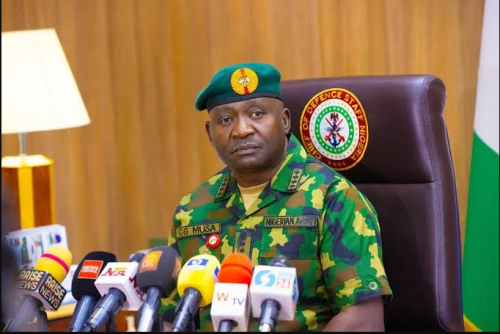
ABUJA, Nigeria — The Federal Government plans to let journalists accompany troops during selected military operations.
The move aims to improve security reporting and give Nigerians clearer insight into counterinsurgency and internal security efforts. Minister of Defence, Gen. Christopher Musa, revealed the plan Thursday at a National Security Summit organized by the Nigeria Union of Journalists in Abuja.
For reporters in Western Nigeria, “I think this signals a big shift in the relationship between the military and media.
Given the security situation, particularly with banditry and kidnapping around corridors such as the Akure-Ilesa Road and along the Ekiti-Kogi axis where there have been a massive deployment of troops (in states such as Osun, Ekiti, and Ondo).
Giving reporters access to front line troops would transform reporting from the battle front.
What the FG Plan Means: Journalists Join Troops 2026 Western Nigeria
The Defence Ministry said the initiative would “foster closer collaboration between the media and security agencies while promoting transparency in military activities”. Rear Admiral Olusanya Bankole, who represented Gen. Musa, added that modern conflicts are “increasingly influenced by information and narratives”.
First, the program targets “selected operations,” not all combat zones. Next, reporters would likely undergo safety briefings before deployment. Because the FG says success is measured by “citizen confidence” not just battlefield wins, the goal is to bridge the trust gap between the public and the Armed Forces.
However, the Ministry has not yet released a start date, eligibility list, or operational zones. We will update this post as new details emerge.
3 Reasons Journalists Join Troops 2026 Matters for Western Nigeria
- Local Conflict Coverage: Farmers, herdsmen conflicts reported in LGAs like Ife North in Osun and Ekiti LGAs such as Ikole. Embeddings may provide experiential perspective than press briefings at 2 Division HQ Ibadan
- Countering Misinformation: Gen. Musa said media plays a “strategic role in shaping public perception”. In Ondo, viral claims after the Owo attack in 2022 showed how gaps fuel rumors. Direct access may reduce that.
- Training Pipeline: The Army already pledged “stronger media ties” and rejected brutality in civilian dealings. Lt. Col. Onyinyechukwu Anele, Acting Director of Army PR, said journalists are “critical partners”. The new FG plan could formalize training for reporters in Western Nigeria before embedding.
Don’t Miss: How Insecurity Is Affecting Businesses in Western Nigeria in 2026
Table – Proposed Framework for FG Journalists Join Troops 2026
| Stage | What Happens | Likely Location for Western Nigeria | Note |
|---|---|---|---|
| Accreditation | NUJ screens reporters | NUJ Press Centre, Oke-Fia, Osogbo, Osun | Must be practicing |
| Safety Briefing | Military rules of engagement | 32 Artillery Brigade, Owena Barracks, Ondo | No live-tweeting ops |
| Deployment | Join “selected operations” | TBD by Defence HQ | Low-risk only |
| Debrief | Review footage/info | 2 Div HQ, Ibadan, Oyo State | Protect sources |
The table above is based on the Defence Minister’s statement and existing Army-media protocols. Updated June 19, 2026.
What Military, Media Leaders Are Saying
“Modern conflicts are increasingly influenced by information and narratives, making the media an important stakeholder in the country’s security architecture,” said Rear Admiral Olusanya Bankole, speaking for Defence Minister Gen. Christopher Musa at the NUJ summit in Abuja.
“We are here to serve you, to defend you, not to pick up arms, brutalise, or go against the general public,” said Lt. Col. Onyinyechukwu Anele, Acting Director, Army Public Relations, during a Lagos media parley.
Meanwhile, the Army has warned that “news reports shouldn’t jeopardise national security”, urging balance between press freedom and operational security.
Risks, Next Steps for Journalists Join Troops 2026 Western Nigeria
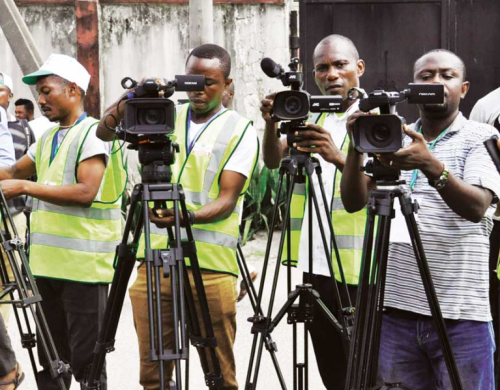
The FG has not said if insurance, PPE, or hazard pay will be covered. Reporters in Western Nigeria often travel by Okada or shared cars to rural LGAs; embedding may require military convoys.
Also, the Chief of Army Staff, Lt. Gen. Taoreed Lagbaja, previously revealed plans to integrate journalists into “low-risk military operations” for accurate conflict reporting. Brig.-Gen. Moyo Akinojo emphasized training journalists “to ensure accurate coverage”.
Because details are still emerging, reporters in Osun, Ekiti, and Ondo should monitor NUJ state chapters for registration info. The FG says issues between the military and media “will be resolved through dialogue”, a shift from past raids on newsrooms.
For Western Nigeria, this policy could reshape war reporting from the Ilesa-Akure axis to border communities in Ekiti. Yet success depends on clear rules. The Minister stressed that citizen confidence matters as much as military victories.
Read More: Cost of Living in Western Nigeria 2026: Osun vs Ekiti vs Ondo – Which Is Cheapest?