LAGOS, Nigeria — The history of Nollywood in Western Nigeria began before 1992.
As of June 17, 2026, most articles claim Nollywood started with Kenneth Nnebue’s Living in Bondage in 1992. But Western Nigeria’s Yoruba filmmakers launched the industry on VHS in 1988. From Ogunde’s stage to Netflix, the region built Africa’s $6.4B film giant.
This is the complete history of Nollywood in Western Nigeria, with dates, names, and data rivals skip.
1. History of Nollywood in Western Nigeria: Theatre Roots [1960s–1970s]
The history of Nollywood in Western Nigeria starts with Yoruba traveling theatre. Hubert Ogunde, Duro Ladipo, Kola Ogunmola, and Moses Olaiya, Baba Sala, toured Western Region with stage plays. Ogunde’s Aiye and Baba Sala’s Orun Mooru drew crowds in Ibadan, Abeokuta, and Lagos.
In 1962, Latola Films began motion picture production. Western Nigeria Television, WNTV Ibadan, started broadcasting in 1959. It aired theatre productions into homes across Oyo, Ogun, and Ondo. As a result, the earliest Nigerian thespians were largely Yoruba.
“The earliest and most famous Nigerian thespians were largely Yoruba people including Moses Olaiya, Jab Adu, Isola Ogunsola,” historians note. Hubert Ogunde is regarded as the father of theatre and performance arts in Nigeria.
2. History of Nollywood in Western Nigeria: Celluloid Films [1970s–1980s]
By the 1970s Yoruba film-makers had begun using 35 mm. Ade Afolayan, Ade Love, directed both ‘Taxi Driver’ 1983 and ‘Taxi Driver 2’ 1987.
Baba Sala’s Mosebolatan (1986) was screened in cinemas. Ola Balogun’s Ajani Ogun (1976) is the first commercial Nigerian cinema success of the cinema era.
But celluloid was costly. Naira devaluation, insecurity, and cinema closures in the late 1980s killed the model. “Violent street crime caused cinemas to close and public life was under general assault,” Haynes wrote.
Western Nigeria needed a new format. Video provided it.
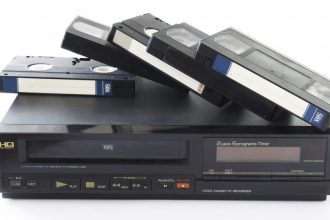
3. History of Nollywood in Western Nigeria: The VHS Era Begins [1988–1992]
This is where the history of Nollywood in Western Nigeria is erased. The first film produced on video in Nigeria was 1988’s Soso Meji, produced by Ade Ajiboye. In 1989, Alade Aromire produced Ekun on video, screened at National Theatre, Iganmu.
“Ekun demonstrated the commercial viability of VHS distribution at a broader level,” P. Adejare wrote in March 2026. “By the late 1980s, the system existed: films shot for video, VHS distribution, home viewing, theatre-trained actors.”
Aromire had a TV show promoting his films. “I greet you my people. It’s I, your son, brother, and kid brother, Alade Aromire,” he said. His films sold across South-West.
Yet media calls Living in Bondage 1992 the “first”. Historians disagree. Nnebue himself produced Yoruba-language video films before 1992. His first was Aje Ni Iya Mi 1989.
The truth: Western Nigeria’s Yoruba filmmakers invented the home video model 4 years early.
Actor Rotimi Salami has also shared his personal reflections on the history of Nollywood in Western Nigeria.
4. History of Nollywood in Western Nigeria: Alaba, VCDs, and Boom [1993–2010]
After Living in Bondage, Alaba Market exploded. But Yoruba producers dominated output. Jide Kosoko, Yinka Quadri, Femi Adebayo, Odunlade Adekola, and Funke Akindele starred in thousands of VCDs.
Filming locations for the producers included Lagos, Ibadan, and Abeokuta; street vendors sold films at Oshogbo, Akure and Ado-Ekiti; okada drivers transported new releases to the LGAs of Ekiti; it was responsible for creating 40,000 jobs by 2013.
“The industry was based on an unregulated technology and informal commerce,” Haynes said. Yoruba-language films led sales. “In this nation, Chief Hubert Ogunde made a film for the cinema in 1982 and Alade Aromire began packaging films in video cassettes the same year,” Punch reported.
Don’t Miss Hot Topic: Nollywood Opportunities for Young Nigerians 2026: 5 Paths Today
5. History of Nollywood in Western Nigeria: New Cinema to Streaming [2011–2026]
Silverbird Cinemas opened in 2004. Kunle Afolayan’s Irapada was the first high budget local film there. Then IrokoTV launched in 2011. Netflix followed.
Now, Western Nigeria leads again. Femi Adebayo’s Jagun Jagun, Agesinkole, and Orisa grossed over ₦100M. Odunlade Adekola’s Orisa hit ₦100M in one week. Kunle Afolayan’s Anikulapo streams globally.
| Era | Years | Tech | Key Western Nigeria Figures | Impact |
|---|---|---|---|---|
| Theatre | 1960s–1970s | Stage, 35mm | Hubert Ogunde, Baba Sala, Ade Love | Built audience, stories |
| VHS Birth | 1988–1992 | Video tapes | Ade Ajiboye, Alade Aromire | Proved home video model |
| VCD Boom | 1993–2010 | VCD/DVD, Alaba | Jide Kosoko, Odunlade Adekola | 40,000 jobs by 2013 |
| New Wave | 2011–2020 | Digital, IrokoTV, Cinema | Kunle Afolayan, Tunde Kelani | ₦6.94B box office 2022 |
| Streaming | 2021–2026 | Netflix, YouTube | Femi Adebayo, Funke Akindele | $6.4B industry, 1M YouTube views/day |
In 2022, Nollywood made $6.4B. National films earned ₦6.94B. Over 2,599 features were produced in 2020.
What the History of Nollywood in Western Nigeria Means Today
The history of Nollywood in Western Nigeria is not 1992. It is 1988, 1982, and 1962. Western Nigeria gave Nollywood theatre, VHS, and stars.
“Films for the cinema in Nigeria actually began in the early 1980s. This was where Nollywood actually began in the South-West,” Punch wrote.
Today, KAP Film Academy in Igbojaye, Oyo trained 165 youths from 33 LGAs. Mount Zion Institute in Ile-Ife offers BA in performing arts. YouTube channels like ApataTV+ and YorubaStylesTV release films weekly from Osun.
But piracy and funding gaps remain. “Lax copyright enforcement and limited subsidies failed to check trends,” AJRMA 2025 noted.
For 2026 filmmakers in Ogun, Oyo, Osun, Ekiti, and Ondo, knowing the true history of Nollywood in Western Nigeria matters. You’re not joining an Igbo industry. You’re continuing a Yoruba one.
Actress Foluke Daramola reflects on preserving Yoruba storytelling and the industry’s legacy.
For more, read [Evolution of Yoruba Cinema: From VHS to Streaming].