IBADAN, Nigeria — Evolution of Yoruba cinema now spans five eras in Western Nigeria.
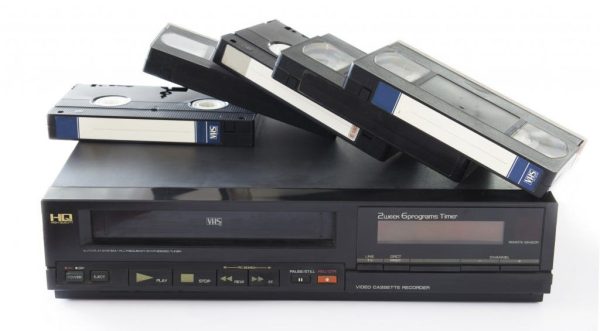
Yoruba films transformed from road-showing theatre to global stream. They have traversed 35mm film, VHS cassettes in the 80s, exploded onto VCD in the 90s and now stream on Netflix and YouTube. And for young performers in Osun, Ekiti and Ondo this now translates into actual global income.
This is how the evolution of Yoruba cinema changed jobs, money, and culture.
1. Evolution of Yoruba Cinema: The Theatre and Celluloid Era [1960s–1980s]
Before Nollywood, Yoruba cinema lived on stage. Innovators such as Hubert Ogunde, and Moses Olaiya otherwise Baba Sala, moved from travelling theatre to the realm of 35mm film. Ogunde and Moses Olaiya produced Aiye, Taxi Driver, Jaiyesimi, and Mosebolatan for the spacious halls of the Glover Memorial Hall.
However, the 1980s naira devaluation killed celluloid. Importing film stock became too expensive. Cinema culture faded as insecurity and hardship kept people indoors. The industry stalled.
“These visionary filmmakers laid the foundation for future generations,” wrote Fidelis Duker, filmmaker from Calabar.
2. Evolution of Yoruba Cinema: The VHS Revolution [1988–1992]
The VHS era saved Yoruba films. The first film produced on video in Nigeria was 1988’s Soso Meji, produced by Ade Ajiboye. In 1989, Alade Aromire produced Ekun on video, screened at National Theatre, Iganmu.
But the real shift came when Yoruba producers proved VHS could work. Ekun showed commercial viability at scale. By the late 1980s, the system existed: films shot for video, VHS distribution, home viewing, and theatre-trained actors.
“The Yoruba video movement of the late 1980s did not just precede Nollywood — it made Nollywood possible,” P. Adejare wrote in March 2026.
Yet Living in Bondage 1992 gets credit. Historians argue the Igbo language film entered a market Yoruba producers already built.
3. Evolution of Yoruba Cinema: Alaba, VCDs, and the Home Video Boom [1993–2010]
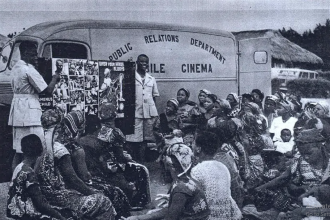
Alaba Market reinvented distribution. Producers duplicated VCDs and DVDs fast. Street vendors sold films in Upper Iweka, Onitsha, and across Western Nigeria.
Popular Yoruba actors like Yinka Quadri, Jide Kosoko, Odunlade Adekola and Femi Adebayo gained nationwide fame. “Ti Oluwa Ni Ile” established the narrative style of the moral storyteller in the 1990s.
But piracy hurt profits. “Nothing was spared from piracy,” Al Jazeera reported. Moses Olaiya lost millions when Orun Mooru was pirated.
However, it created over 40,000 direct jobs by 2013. Market women in Oshogbo and Akure were selling tapes and the Okada riders in rural Ekiti distributed the new released songs.
Don’t Miss: How to Watch Nigerian YouTube Movies with English Subtitles in 2026
4. Evolution of Yoruba Cinema: Digital, Cinema, and Streaming [2011–2025]
Silverbird Cinemas opened in 2004. Then digital cameras cut costs. Kunle Afolayan’s Irapada was the first high-budget local film at Silverbird Galleria.
Next came streaming. IrokoTV launched in 2011. Then Netflix arrived. Genevieve Nnaji’s Lionheart 2018 was the first Nigerian Netflix original.
Yoruba filmmakers followed suite. Kunle Afolayan made Anikulapo for Netflix. Femi Adebayo films Jagun Jagun, Agesinkole and Orisa grossed 100M in cinemas. Odunlade Adekola’s Orisa grossed 100M in just a week.
“The industry has undergone a transformational journey from VHS tapes to internationally acclaimed films,” Ranks Magazine noted.
5. Evolution of Yoruba Cinema: YouTube and Global Streaming 2026 [5 Trends]
In 2026, the evolution of Yoruba cinema lives on YouTube and Netflix. Here’s what changed:
| Stage | Years | Tech | Reach | Sample Stars |
|---|---|---|---|---|
| Theatre/Celluloid | 1960s–1980s | 35mm film | Cinema halls, Lagos/Ibadan | Hubert Ogunde, Baba Sala |
| VHS Era | 1988–1992 | Video tapes | National Theatre, homes | Alade Aromire, Yinka Quadri |
| VCD Boom | 1993–2010 | VCD/DVD, Alaba | Streets, markets, Western Nigeria | Jide Kosoko, Odunlade Adekola |
| New Cinema | 2011–2020 | Digital, IrokoTV, Cinemas | Silverbird, Africa-wide | Kunle Afolayan, Femi Adebayo |
| Streaming | 2021–2026 | Netflix, YouTube, AVOD | Global, US/UK/Canada | Funke Akindele, Bimbo Ademoye |
Key 2026 shifts in Western Nigeria:
- YouTube is king: Ijebi Tani 2026 hit 1 million views in one day. ApataTV+, YorubaStylesTV, and Kaberemure TV release weekly.
- Budgets rose: Senator Ned Nwoko pledged ₦200M for talent hunts. Elevate Africa offers $25,000 grants.
- Piracy persists, but AVOD pays: Most local streamers use YouTube’s Advertising-Based Video on Demand. No upfront fee, but ad revenue flows.
- Quality jumped: King of Boys, To Kill a Monkey, and Anikulapo rival global standards.
- Training grew: KAP Film Academy in Igbojaye, Oyo trained 165 youths from 33 LGAs. Mount Zion Institute in Ile-Ife offers BA in performing arts.
“The Yoruba film industry has undergone a transformational journey from shooting low-budget movies on VHS tapes to producing high-quality and internationally acclaimed films,” Duker said.
What the Evolution of Yoruba Cinema Means for Western Nigeria
The growth of Yoruba film provided 220,000 jobs in 2023 (NBS). This means, for Western Nigeria, actors can operate from Ikire, editors from Ado-Ekiti, andset designers from Akure.
But challenges remain. “Audience preferences have moved toward sensational, short-form, and foreign-language content,” a 2025 AJRMA study found. Piracy and weak copyright enforcement hurt income.
Still, Netflix and YouTube pay. Odunlade Adekola is one of the highest-paid Yoruba actors. Young filmmakers in Osogbo shoot with phones and upload same day.
Read More: Nollywood Opportunities for Young Nigerians 2026: 5 Paths Today