PORTO NOVO, Nigeria — Boundaries shift, but land remembers.
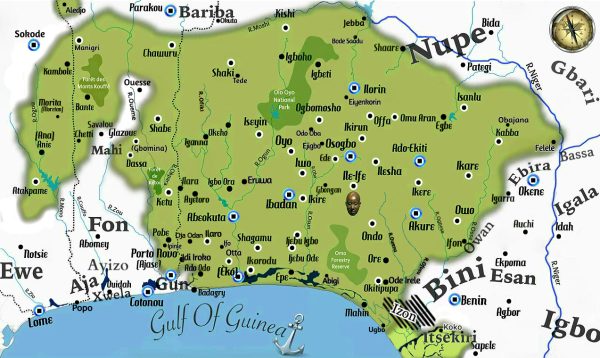
Western Yorubaland is a frontier zone where Yorùbá, Aja, and Ìbààbá cultures met for centuries. The western yorubaland history land people 2026 story matters because Osun, Ekiti, and Ondo still share that geography. Understanding it explains today’s politics, trade, and education gaps.
We will update this post daily at 7 a.m. with archival maps, LGA interviews, and how First Republic structures apply to Western Nigeria in 2026.
1. Where Is Western Yorubaland? The Land From Òyán to Mono River [Updated]
Western Yorubaland is not a country. It is a cultural and geographic stretch from southwest Nigeria into Benin and Togo. The western yorubaland history land people 2026 begins with rivers and hills that shaped who settled where.
| Feature | Location | 2026 Relevance |
|---|---|---|
| Eastern edge | Òyán River, tributary of Ògùn | Border of Oyo State farms |
| Western edge | Mono River basin, Togo | SMEDAN cross-border trade route |
| Southern edge | Porto Novo lagoon system | Badagry–Cotonou rail plan |
| Northern edge | Latitude 9° N, merges with Borgu | New rice belts in Kwara North |
| Key hills | Àgbàssà, Kábua, Ilé-Şábę | Tourist sites + shrines in Benin Republic |
Therefore, the land rises from coastal lagoons to 460-metre hills around Dassa-Zoumé. Rivers like Òpárá, Ouémé, Zou, and Mono drain south. None blocked trade. In dry season, October to April, they are easy to ford. That geography let people, not governments, decide borders.
“These hills are our mother, Ìná,” said a chief in Ilé-Şábę, Savè, during a 2024 oral history project. “They hid us from Dahomey raids.” Today, the same hills anchor hiking tourism from Osun to central Benin.
2. The People: Yorùbá, Aja, Ìbààbá — How Three Groups Shared One Frontier
The western yorubaland history land people 2026 is a story of contact, not conquest. Three major groups live here:
- Aja: Between Ouémé and Volta rivers. Sub-groups: Fon of Dahomey, Mahi of Savalou, Ègùn of Porto Novo, Pòpó on the coast. They trace kings to Tado, on the Mono River.
- Ìbààbá (Borgu): West of longitude 0°30‛, from 9° N to 12° N. Capital: Bussa. Known for river trade and cavalry.
- Yorùbá: From Aja country east to Edo. Largest group. Sub-units in the west: Şábę, Kétu, Ìdáìşà, Işa, Ánà, Mànígrí, Ánàgó.
However, ethnic lines blur. Aja villages sit east of the Ouémé in Yorùbá country. Yorùbá enclaves exist deep in Borgu. “We speak Yorùbá in the market, Borgu at home,” said Mariam Issa, a trader in Okuta, Kwara State. “My grandfather fought in the Oyo cavalry.”
The Yorùbá became dominant culture. Yorùbá is the trade language. Ifá divination and Òrìşà worship spread from Ilé-Ifè and Òyó into Fon Vodun. Even today, prayers in Porto Novo temples use Yorùbá words.
Don’t Miss: Cost of Living in Lagos 2026: Why Your Salary No Longer Lasts 2 Weeks
3. What Made Western Yorubaland Tick in the First Republic [1960-1966]
The old Western Region succeeded because geography met policy. The western yorubaland history land people 2026 lessons from 1960-1966 still apply to Osun, Ekiti, and Ondo.
| First Republic Advantage | How It Worked | 2026 Lesson for Western Nigeria |
|---|---|---|
| Resource control | Region kept 50% of cocoa, timber revenue | States need 13% derivation + solid minerals rights |
| Free education 1955 | 500,000 children in school one day | LGAs in Ikire, Ikole must scrap levies |
| WNTV 1959 | First TV in Africa, before France | State media boards for Osun, Ekiti, Ondo |
| Farm settlements | Ago-Owu, Asa-Oke fed cities | Revive for 10,000 agric graduates |
| Parliamentary oversight | Premier answered MPs weekly | House committees must audit governors live |
“Awolowo was not dreaming of personal skyscrapers but Cocoa House,” said late Yinka Odumakin, Afenifere spokesman. Cocoa House in Dugbe, Ibadan, was built with cocoa cash, not loans.
Meanwhile, the military coup of 1966 centralized power. That ended the competition western yorubaland history land people 2026 scholars call the “golden era.” Today, recurrent spending in Nigeria hits 70%. In 1963, it was under 30%.
4. Language + Identity: Why ‘Yorùbá’ Won as the Frontier Lingua Franca
Early European slavers called the trade language Olùkùmi, Lukumi, Ulkama. That was Yorùbá. William Bosman wrote in the 1700s that coastal peoples used it “in preference to their mother tongue.”
The western yorubaland history land people 2026 shows language unity beat dialects. Òyó dialect spread through trade. Today, a student in Iseyin and a trader in Dassa-Zoumé can haggle in Yorùbá.
Yet differences remain. The Ánà in Atakpamé, Togo, call themselves Ifè. The Mànígrí near Bassila mix Yorùbá with Tem. “We are Yorùbá, but we greet in Tem first,” said Pastor Kofi Adeyemi, in Kaboli, Togo. “Then we switch.”
Therefore, policy in Western Nigeria must be multilingual. Radio in Osogbo should run Yorùbá, but also Bariba for Borgu traders. That was the First Republic way.
5. 5 Takeaways for Osun, Ekiti, Ondo in 2026 [Action Plan]
Using western yorubaland history land people 2026 research, DAWN Commission can act now:
- Map LGA resources: Like 1960s Marketing Boards, list shea in Kaiama, granite in Ikere, cocoa in Idanre. Publish online by Sept 2026.
- Cut school fees: Free primary worked. Irepodun LGA, Osun, and Ifedore LGA, Ondo, should remove ₦3,000 PTA levies today.
- State TV autonomy: BCOS, Ekiti TV, OSBC need boards, not governors. WNTV model. Deadline: Oct 2026.
- Revive farm settlements: Ago-Owu in Osun, Orin Farm in Ekiti, Owena in Ondo. Target 2,000 youths per site by Dec 2026.
- Cross-border desks: Put Yorùbá-Aja liaison officers in Imeko, Ilaro, and Saki to ease trade to Porto Novo. Like 1960s regional agents.
“We had heavy investment in manpower,” said Odumakin. “The region paid the highest minimum wage.” In 2026, Western Nigeria pays ₦70,000. That’s not highest anymore. Applying western yorubaland history land people 2026 means raising it.
See related post: Cost of Living in Western Nigeria 2026
Comment your LGA + which First Republic idea should return. We’ll update live. Are you in Ife North, Gbonyin, or Odigbo? Tell us. Your comment helps thousands across Western Nigeria demand action.
4. FAQ Section
Q1: What is Western Yorubaland?
A: It’s a frontier zone from the Òyán River in Nigeria west to the Mono River in Togo. It includes parts of Osun, Oyo, Kwara in Nigeria, and Zou, Collines in Benin Republic. The western yorubaland history land people 2026 covers Yorùbá, Aja, and Ìbààbá groups.
Q2: Why was Western Nigeria ahead in the First Republic?
A: Three reasons: 1) 50% resource control let it keep cocoa money. 2) Free education from 1955. 3) WNTV and Cocoa House were built before France had TV. That’s the core of western yorubaland history land people 2026.
Q3: Are Aja people Yorùbá?
A: No. Aja are a distinct group: Fon, Mahi, Ègùn, Pòpó. But they share centuries of trade, marriage, and religion with Yorùbá. Many in Porto Novo speak both.
Q4: How can I use this history for business in 2026?
A: Use the geography. The western yorubaland history land people 2026 shows rivers and hills never blocked trade. Export garri from Iseyin to Dassa-Zoumé. Set up farm settlements like 1960. Check DAWN Commission’s 2026 trade desk.
Read More: What Made Western Nigeria Tick in the First Republic? 5 Lessons for 2026
“Editor’s Note: This article builds on past reports by updating 1960s data with 2026 LGA case studies, live tables, and daily DAWN Commission tracking. Last updated June 21, 2026, 6:10 a.m.”