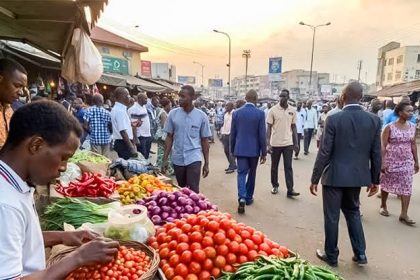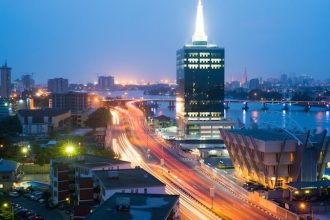

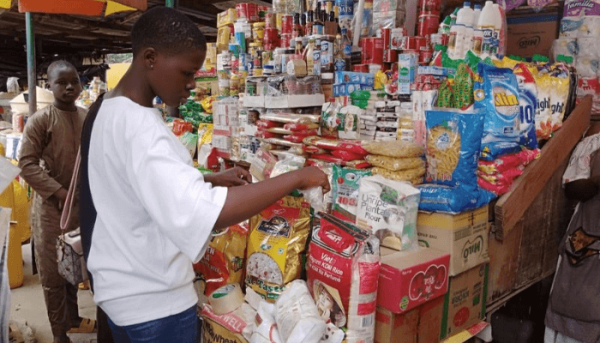
These small businesses are the economic backbone of Nigeria. In both urban areas and smaller villages, they feed families, provide opportunities to numerous residents, fuel entrepreneurial innovation, and facilitate a much needed economic stimulus package.
You see it everywhere — from the corner shop and the local bakery to digital firms and farms — entrepreneurs are a huge part of where Nigeria is headed.
With the enormous amount of effect that this sector has, a good number of small business owners face certain challenges that could inhibit the growth of their business or in some cases keep them from being able to remain in operation for a sustained period.
For this reason, entrepreneurs, government officials and investors, for the betterment of the business community in Nigeria, need a good understanding of the challenges that small enterprises face.
The future is full of opportunity but today the future demands that we build robustness, the ability to plan, and the agility to adjust.
Why Small Businesses Matter in Nigeria
Small and medium-sized businesses, or SMEs, drive a huge chunk of what happens in Nigeria’s economy. They put people to work, boost what we make locally, and help pull families out of poverty.
In Western Nigeria — Lagos, Ogun, Oyo, Osun, Ondo, and Ekiti — you’ll find thousands of these businesses running in all kinds of industries, like:
- Agriculture
- Retail
- Manufacturing
- Technology
- Hospitality
- Transportation
- Food processing
Despite their contributions, many struggle to survive beyond the first few years of operation.
1. Rising Cost of Doing Business
One of the biggest challenges facing entrepreneurs today is the increasing cost of operations.
Business owners are spending more on:
- Rent
- Transportation
- Fuel
- Raw materials
- Equipment
- Staff salaries
Inflation has increased costs and made it harder to be able to keep profit margins for businesses while keeping costs reasonable to their customers. It causes many entrepreneurs to have to take some of the hit themselves in order to keep up.
2. Unstable Electricity Supply
The issue of power supply remains the thorn in the flesh for a lot of businesses in Nigerian.
Due to persistent power outage, most entrepreneurs have no choice but to operate their machines with a generator, invest in an inverter or power it up using solar to be able to open shops and make sales on a daily basis.
That pushes monthly costs way up. If you run a bakery, supermarket, cyber café, small factory, or cold room, every blackout hits your output and your sales directly.
Ask around and most business owners will tell you energy is one of their heaviest bills every month.
Read Also: Top Business Opportunities in Southwest Nigeria This Year
3. Limited Access to Funding
Access to finance continues to be a significant obstacle.
Many small businesses struggle to obtain loans due to:
- High interest rates
- Strict lending conditions
- Lack of collateral
- Poor credit history requirements
A majority of government and private programs have application procedures that may or may not work for individual entrepreneurs. Limited access of funding limits their potential.
4. Poor Infrastructure
Infrastructure plays a critical role in business success.
Unfortunately, many entrepreneurs operate in areas with:
- Bad roads
- Poor drainage systems
- Limited internet connectivity
- Inadequate transportation networks
These challenges increase logistics costs and reduce operational efficiency.
For businesses that heavily depend on transportation, transportation delays could be critical to both customer happiness and overall success.
5. Intense Market Competition
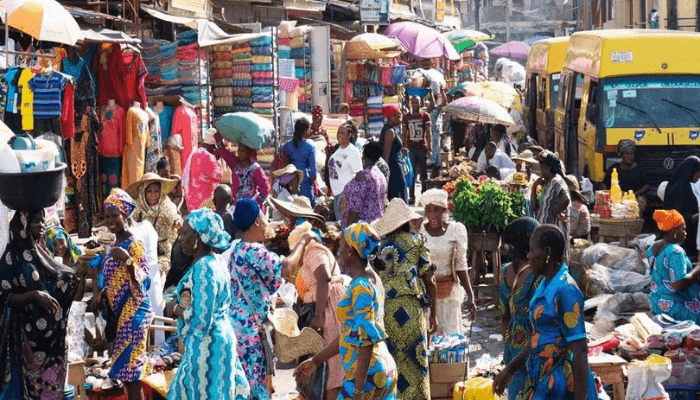
Increased entrepreneurial activity in many industries has fueled more competition. In addition to fostering the necessary competitive nature that drives invention, more competition brings hardships to the entrepreneurial companies with weak branding and weak customer-retention plans.
The contemporary customer is bombarded with even more choices and possibilities.
To remain competitive, businesses must focus on:
- Quality products
- Excellent customer service
- Strong online presence
- Consistent branding
Those that fail to differentiate themselves often struggle to maintain market share.
6. Foreign Exchange Challenges
Businesses that depend on imported goods or equipment have been heavily affected by exchange rate fluctuations.
The rising cost of foreign currency increases expenses for:
- Importers
- Manufacturers
- Technology businesses
- Retailers
Because of the increasing operational costs, a lot of businesses have been put to challenge about how to raise prices and keep profits in line.
For a lot of businesses these days, exploring locally manufactured substitutes to import goods is something people are considering.
Don’t Miss: Why Young Nigerians Are Turning to Digital Skills for Income in 2026
7. Multiple Taxes and Regulatory Burdens
This complaint about duplication of taxes and regulations is common for small business owners and entrepreneurs.
Some entrepreneurs feel they are under a constant barrage of payments for a vast range of taxes assessed by several departments or agencies, thereby making it incredibly difficult to balance and grow.
While taxes and regulations are essential for a well-functioning government, too many compliance demands will impede business and investment.
Streamlining requirements could contribute to fostering a greater and better regulated business atmosphere.
8. Security Concerns
Security is still a real problem for businesses in different parts of Nigeria.
Incidents like robbery, damage to your business, fraud or other safety issues can force work to a standstill and increase expenses quickly.
Business owners have even resorted to paying for guards, cameras and other security measures in an effort to maintain a safe place for workers, patrons and personal belongings.
A sound environment must exist for economic development, no matter the circumstances.
9. Difficulty Finding Skilled Workers
Although Nigeria has a large population, finding qualified and dependable workers can sometimes be difficult.
Many businesses report challenges in recruiting employees with:
- Technical expertise
- Communication skills
- Digital knowledge
- Customer service experience
As technology continues to transform industries, workforce development has become increasingly important.
Businesses that invest in employee training often achieve better long-term results.
10. Digital Transformation Pressure
Consumer behaviour is changing rapidly.
Customers increasingly expect businesses to have:
- Websites
- Social media presence
- Online payment options
- Digital customer support
Entrepreneurs who fail to embrace technology risk losing customers to more digitally advanced competitors.
At the same time, many small businesses lack the resources or expertise needed to implement digital solutions effectively.
How Small Businesses Can Overcome These Challenges
Although these obstacles are significant, successful entrepreneurs often adapt through strategic planning.
Practical solutions include:
Build a Strong Online Presence
Digital marketing helps businesses reach customers more efficiently and at lower costs.
Manage Cash Flow Carefully
Financial discipline improves stability during economic uncertainty.
Invest in Customer Relationships
Satisfied customers often become repeat buyers and brand advocates.
Embrace Technology
Automation and digital tools can improve efficiency and reduce costs.
Diversify Revenue Streams
Multiple income sources help reduce business risk.
Focus on Continuous Learning
Entrepreneurs who stay informed about industry trends are better prepared for change.
The Future of Small Businesses in Nigeria
Even with all the hurdles, Nigeria is still one of Africa’s best places to build a business.
More people are getting online, digital tools are catching on fast, consumer markets keep growing, and the population is young and ambitious. That mix keeps opening doors across different industries.
Western Nigeria especially stays front and center for innovation, trade, and investment.
The companies that will win in the next few years are the ones that stay flexible, actually listen to customers, and use tech to move faster.
Conclusion
Small business owners, what’s making things hardest for you these days in Nigeria? Share your experience in the comments.
Read More: How SMEDAN’s 2026 Plans Could Transform Small Businesses Across Nigeria