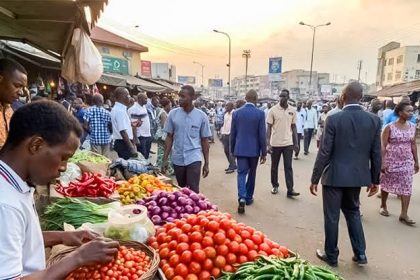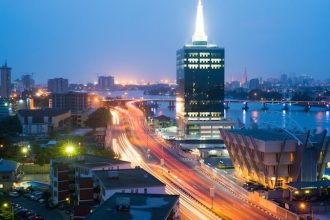

Southwest Nigeria isn’t just the country’s “commercial capital” on paper — you feel it. Walk through Computer Village, Bodija Market, or Kuto in Abeokuta and the hustle is loud. Lagos, Ibadan, Akure, Osogbo, Abeokuta, Ado-Ekiti — these cities don’t sleep on money.
But 2026 isn’t 2019. The businesses winning now look different. Phone data is cheaper, Gen Z won’t queue for anything, and everybody wants light that doesn’t trip off. If you’re planning to start something or invest, here’s where the real demand — and cash — is flowing this year.
Agriculture Has Left the Village. It’s Now Agribusiness
Forget the old story of “go to farm”. The money in Southwest agri is no longer just in planting cocoa or cassava. It’s in what happens after harvest.
What’s hot right now:
- Processing: That same garri your grandma sells in a nylon? Brands in Lekki now package it in 1kg standing pouches for ₦2,500 and export it.
- Storage: Tomatoes still rot in Mile 12 every January. People who own solar cold rooms in Ibadan are renting space by the crate.
- Export-ready packaging: Dried ponmo, crayfish, ofada rice — diaspora Nigerians pay in dollars if it’s NAFDAC sealed.
Lagos alone eats more than it produces. If you can move food from Oke-Ogun to Lekki without it spoiling, you’ve solved a ₦10B problem.
Tech Is Not Just for “Tech Bros” Anymore
Yes, Yaba still calls itself Nigeria’s Silicon Valley. But the tech money in 2026 is in the unsexy stuff every regular business needs.
Where SMEs are paying cash today:
- “Fix my WhatsApp Business”: Shop owners in Dugbe will pay ₦50k for someone to set up catalogs, auto-replies, payments.
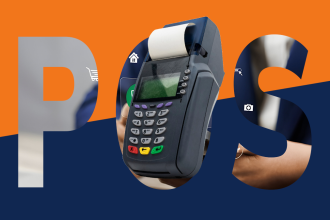
- Cybersecurity for POS agents: One hack and a POS agent loses 2 years’ profit. Young guys offering ₦15k/mo protection are cleaning up.
- AI for regular people: Market women don’t want ChatGPT. They want “help me reply customer in English” tools on their Tecno phone.
If you can explain tech without grammar, Southwest will pay you.
Real Estate: The New Game Is “Small-Small” Housing
Everybody talks about Eko Atlantic. The real queue is for ₦8M–₦15M houses in Mowe, Moniya, and Ajebo.
Two angles working now:
- Student housing in Ibadan & Akure: UI, FUTA, FUNAAB students don’t want “face-me-I-face-you”. Clean 1-room self-cons with WiFi go for ₦350k/year and get waiting lists.
- Property management for diaspora: Your uncle in London owns 3 flats in Magodo. He doesn’t trust his brother again. Licensed PMs who send video updates monthly are charging 10% and staying booked.
Land isn’t cheap anymore. Service is.
Solar Is No Longer “Alternative” Power — It’s Just Power
Ask any barber in Osogbo: “NEPA or solar?” He’ll laugh.
The 2026 play:
- Not selling panels. Selling peace of mind. ₦45k monthly solar subscriptions for a freezer + 2 bulbs are replacing gen subscriptions.
- Repair is bigger than install: 6 out of 10 solar systems installed in 2023 already have issues. Technicians who truly understand inverters are charging ₦20k call-out fees in Abeokuta.
- Schools + churches: A mid-size church in Ado-Ekiti spends ₦600k/month on diesel. ₦4M solar setup pays for itself in 7 months. They’re listening now.
E-Commerce: Nigerians Trust People, Not Platforms
Jumia is fine. But the person selling thrift wears on IG Live by 9pm? She’s cashing out.
What’s selling in 2026:
- “Lagos island” beauty products: Serums, not creams. Gen Z wants skincare they saw on TikTok.
- UK-used home items: Air fryers, blenders. A working UK-used air fryer is ₦65k. New is ₦240k. You do the math.
- Hyperlocal: “Yam delivery in Akure within 2 hours”. Nobody wants to go to Oja Oba in the rain.
Win here = fast delivery + video proof it works. No story.
Creatives Are Finally Getting Paid — If They Understand Business
Southwest is Nollywood, Afrobeats, skits, everything. But in 2026, “talent” without structure is broke.
Where money flows:
- YouTube series, not cinema: A 20-min Yoruba episode on YouTube can pay ₦800k/month in ads if it hits 1M views. No distributor wahala.
- Content for brands: A real estate company in Ibadan will pay a skit maker ₦300k to mention their estate. Cheaper than billboards.
- Event niches: Not “weddings”. Think “proposals”, “gender reveals”, “shop openings”. Small budgets, high volume.
Logistics: The Real MVP of Online Sales
You can sell the best product. If GIG Logistics delays it 5 days, customer will curse you.
Gaps to fill in 2026:
- “Within Ibadan” delivery: ₦1,500 same-day. Students and vendors will finish your bike.
- Farm-to-kitchen: Move tomatoes from Shasha to Ikoyi restaurants by 6am daily. Contract, not per trip.
- Returns handling: 3 out of 10 fashion items get returned. Whoever builds “easy return pickup” wins.
Skills Pay Bills — But Only the Right Skills
Everybody has a certificate. Few have skills that pay ₦200k/mo.
Courses selling out in 2026:
- Solar installation: 3-week physical training in Lagos = ₦150k fees, fully booked.
- TikTok Shop selling: How to list, go live, ship. Mums in Redemption Camp are learning.
- POS & agency banking compliance: CBN rules changed again. Agents are confused and paying for updates.
If you can teach it in Yoruba, Pidgin, or with voice notes, you’ll fill classes.
Why Southwest Still Beats Other Regions for Business
- Market size: Lagos alone = 20M people. That’s Ghana + Togo combined.
- Money mindset: An Ibadan trader will try your new product. “Let me test ₦5k first.”
- Internet + roads: You can push ads to Akure from Lagos and deliver next day. Try that in some states.
- Copy + compete culture: If your idea works in Shomolu, 10 people will copy by month 2. Means demand is real.
Final Word: Don’t Look for “Hot” Business. Solve “Hot” Wahala.
The biggest opportunities in Southwest Nigeria for 2026 aren’t sexy. They’re basic: food that doesn’t spoil, light that doesn’t cut, delivery that doesn’t lie, skills that pay rent.
Pick one wahala you understand. Start small. Use WhatsApp before you build an app. Talk to customers in traffic, not in pitch decks.
The region is growing. But only people who move fast, stay honest, and deliver will collect.
Read More: How Insecurity Is Affecting Businesses in Western Nigeria in 2026